
30th January 2026
A Look at New Restorative Dental Materials
Restorative dentistry is moving quickly, but most of the real progress happening isn’t about radical reinvention. It tends to focus more on better materials, stronger evidence, and more thoughtful clinical decision-making, as well as the dental equipment that makes it all possible.
Advances in restorative dental materials, evolving dental implant systems, and a wider push towards conservative treatment approaches are definitely having an impact on everyday dentistry. These changes affect what dentists place, plan, restore, maintain, and review treatment over time.
Stronger, More Predictable Restorative Materials
Over the past decade, restorative materials have improved steadily rather than dramatically. Modern composite systems are stronger, more wear-resistant, and more predictable than earlier generations, particularly in posterior load-bearing situations.
Nano-filled and hybrid composites now dominate UK restorative workflows. They offer improved polish retention, translucency, and fracture resistance, which allows clinicians to deliver restorations that are both functional and aesthetically acceptable without unnecessary tooth reduction.
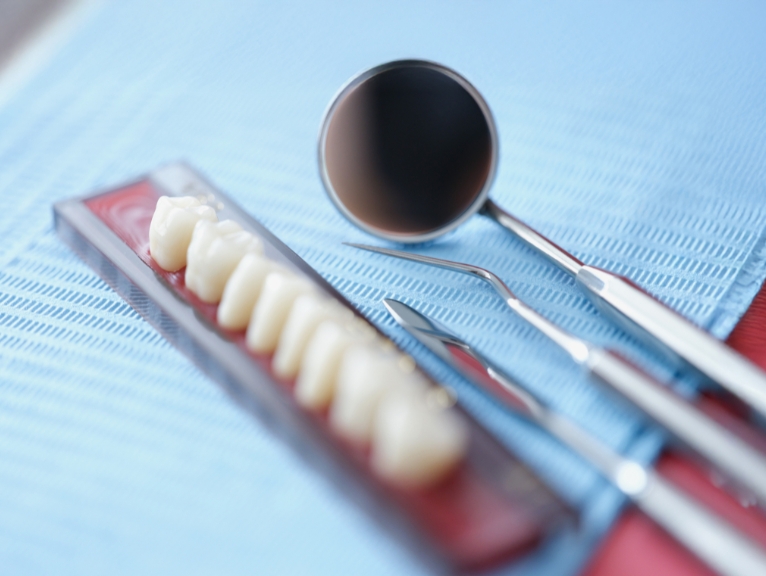
Ceramic-based materials have also evolved.
Hybrid ceramics and high-strength glass ceramics provide an option where durability and minimal thickness matter. Their integration into digital workflows has improved accuracy while reducing chair time, especially when paired with CAD/CAM fabrication.
Bioactivity and Remineralisation
Bioactive materials attract a great deal of attention, but UK research urges realism. While many restorative products release ions such as fluoride, calcium, or phosphate, recent academic reviews have shown that very few commercially available materials meet the strict definition of true bioactivity.
A major review highlighted that most so-called bioactive restoratives offer surface-level ion release rather than genuine regenerative behaviour. Long-term evidence remains limited at this point, and standardised testing methods are still developing, so it’s important to temper expectations.
That said, ion-releasing materials are still clinically valuable.
Glass ionomer cements and resin-modified variants continue to play a key role in minimal intervention dentistry, particularly for high-caries-risk patients. UK studies confirm their ability to chemically bond to tooth structure and contribute to local remineralisation, even if they do not regenerate tissue in the biological sense.
New UK-Led Research into Enamel Repair
Some of the most exciting developments in restorative science are emerging from UK universities.
Researchers at the University of Nottingham have developed a protein-based gel designed to repair early enamel damage. The gel mimics natural enamel-forming proteins and creates a scaffold that attracts calcium and phosphate ions from saliva and encourages controlled crystal growth on the tooth surface.
This approach differs from traditional fluoride treatments and aims to restore enamel structure rather than simply harden remaining tissue. Laboratory testing has shown that the repaired enamel-like layer integrates with existing enamel and resists mechanical wear.
It’s clear that this technology is not yet in routine clinical use, but developments like these could signal a future move towards biological repair rather than mechanical replacement. For restorative dentistry, this might at some point reduce the need for early intervention with conventional fillings, supporting more conservative treatment planning.
Is Your Equipment Supporting Modern Restorative Work?
If you’re reviewing how your practice supports modern restorative materials or implant workflows, then we can help. Get in touch to discuss equipment selection, surgery layout, and technology that fits how you work.
Refinement over Reinvention in Dental Implant Systems
Implant dentistry has followed a similar pattern. The fundamentals remain unchanged, but materials and surfaces continue to improve.
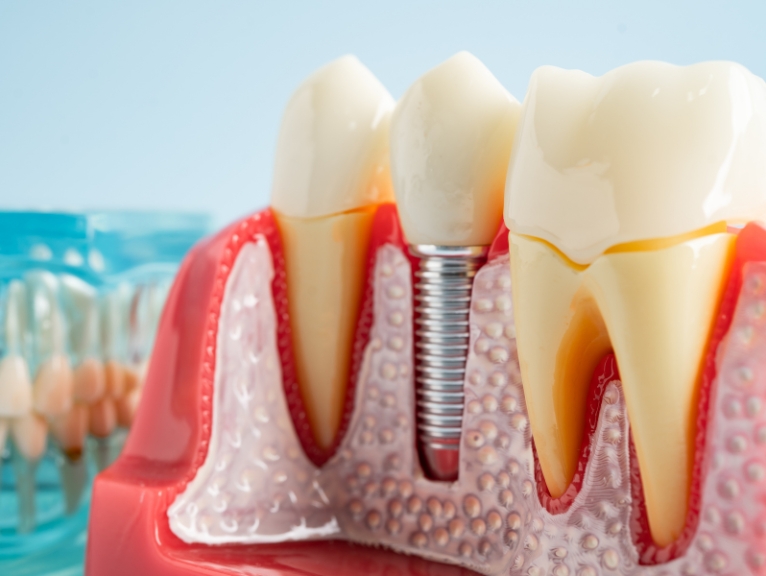
Titanium generally remains the standard material for dental implant systems, supported by decades of clinical data. Surface modifications, including micro-roughening and bioactive coatings, are designed to encourage faster and more reliable osseointegration, particularly in compromised bone conditions.
Zirconia implants are gaining interest within UK practices and across the UK, primarily where aesthetics or metal sensitivity is a concern. Their white colour can reduce the risk of soft tissue shadowing in the anterior zone, and current evidence suggests good biocompatibility when case selection is appropriate.
Digital planning and guided surgery also play a bigger role in implant workflows. Precise placement, reduced surgical trauma, and improved prosthetic outcomes are increasingly expected rather than exceptional.
Conservative Dentistry and Material Choice
One of the clearest trends in UK restorative practice is the move towards conservative treatment.
Adhesive techniques, partial coverage restorations, and minimally invasive approaches are now standard expectations. Material choice directly supports this shift, too. Stronger composites, improved bonding systems, and predictable ceramics allow clinicians to preserve more natural tooth structure without compromising longevity.
This also influences how failures are managed. Repairing restorations rather than replacing them entirely is increasingly accepted, supported by improved adhesion and material compatibility. Over time, this approach reduces cumulative tooth damage and supports long-term oral health.
Need Practical Advice on Equipping Your Practice for Modern Dentistry?
At Curran Dental, we work with practices to provide dental equipment across Hampshire and beyond that supports contemporary restorative and implant dentistry. From treatment centres and digital imaging to full practice design and dental maintenance, we help you make informed decisions that suit your clinical priorities, space, and budget.
If you’re upgrading, expanding, or rethinking your setup, get in touch to discuss what will genuinely support your practice long term without overcomplicating it.
FAQ
Are newer restorative dental materials more durable than older options?
Yes. Modern composites and ceramics offer improved strength, wear resistance, and bonding, making them more predictable for long-term restorations when used correctly.
Are bioactive restorative materials proven to regenerate teeth?
Not yet. UK research shows many materials release helpful ions, but true biological regeneration remains largely experimental rather than routine clinical practice.
Are alternative dental implant systems widely used in the UK?
Titanium remains the standard. Zirconia implants are used selectively, mainly for aesthetic or metal-sensitivity cases.
Why does equipment maintenance matter for restorative work?
Advanced materials rely on accurate curing, scanning, and milling. Poorly maintained equipment can directly affect restoration quality and longevity.

Further Reading
- Futureproofing Your Fit-Out Before the GDC 2026 Tells You To
- How Hydrophilic Technology is Used in Dentistry
- What’s New With HTM 07-01?
- Virtual Reality and Dental Training