30th May 2025
How Hydrophilic Technology is Used in Dentistry
For some years, hydrophilic technology has been central to many aspects of dentistry. Hydrophilic technology revolves around materials that are designed to attract and work with water, saliva, and other oral fluids. Basically, a hydrophilic surface is one that water spreads across easily rather than forming droplets.
This is measured by the water contact angle: the smaller the angle, the more hydrophilic the surface. If the angle is less than 90°, the material is considered hydrophilic. For angles under 10°, it’s known as ultrahydrophilic.
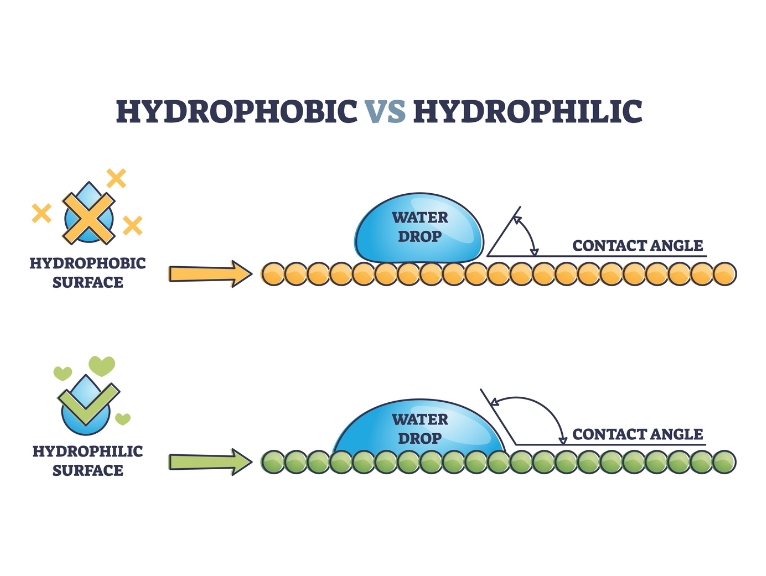
These kinds of surfaces make a real difference in dentistry.
Hydrophilic surfaces help proteins and cells stick more effectively to a dental implant or device. In practice, this means hydrophilic materials interact better with blood and saliva, which is especially helpful in a space like the mouth, which is, obviously, constantly moist. Instead of trying to avoid contact with saliva, hydrophilic technology makes the most of it and can actually improve how well a device integrates or bonds during treatment.
Hydrophilic Technology in Dental Implants
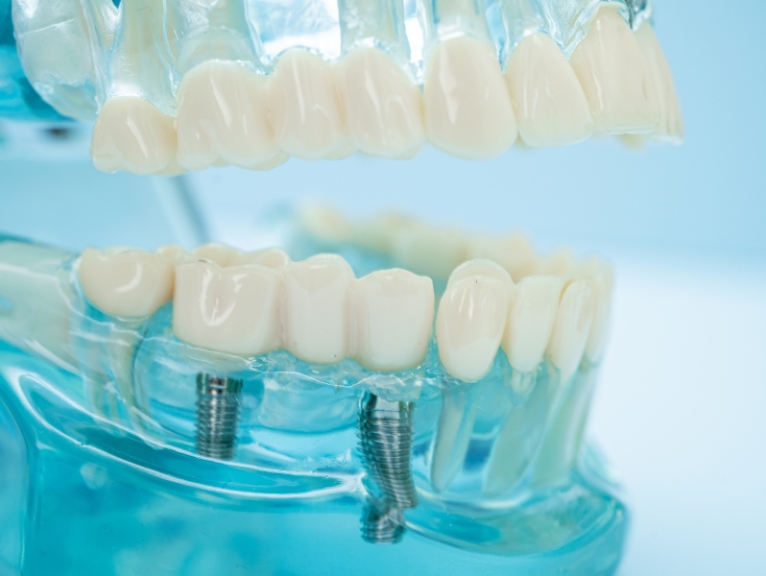
One of the biggest uses of this technology is in dental implants. Many modern implant systems are now made with surfaces that are specifically treated to be hydrophilic. Manufacturers use techniques like fine etching, blasting, or chemical coatings on titanium and ceramic surfaces alike. By doing this, they’re able to create tiny textures and chemical groups that naturally attract moisture.
In some cases, dental implants are even packaged with a special salt coating that keeps the surface wettable right up until it’s placed. This means that the implant starts attracting blood and proteins immediately after insertion.
Research has shown that implants with these ultrahydrophilic, nano-textured surfaces bond with bone faster than traditional types and achieve far more contact with surrounding bone during the first week compared to untreated ones.
Hydrophilic surfaces may also help reduce bacterial growth.
Studies suggest that hydrophilic coatings are less appealing to the types of bacteria that typically cause implant infections. In tests, surfaces with hydrophilic antifouling layers showed a lower bacterial attachment.
Other Hydrophilic Technology Applications in Dental Equipment
Hydrophilic technology isn’t limited to dental implants. It’s also being used in many everyday dental materials, and impression materials are a good example. Some silicones are being enhanced with highly hydrophilic additives, which help them to flow more easily over wet surfaces like teeth and gums.
Adhesive systems are another key area.
These are generally used for bonding composite fillings, sealants, and orthodontic brackets. Lots of today’s adhesives include hydrophilic monomers, so they can perform even when there’s moisture present. Studies show that these adhesives make procedures more predictable, especially when it’s hard to get a tooth completely dry. That should mean fewer failed bonds and fewer issues during application.
Hydrophilic technology even plays a role in guided bone regeneration.
A recent study looked at collagen membranes used in bone grafts and found that more flexible, hydrophilic membranes led to better bone growth when they were compared to more rigid types. This shows us that hydrophilic design doesn’t only help with liquids; it can also improve how healing materials interact with tissues.
Hydrophilic Technology and Dental Imaging
Digital tools like intra-oral scanners and 3D imaging equipment are changing the way dentists plan and carry out treatments, something we’ve touched on before. Scanners can capture incredibly detailed impressions in a matter of minutes, which makes the process quicker, easier, and far more comfortable for patients. 3D imaging brings a clear view of the bone and surrounding structures, which helps guide accurate placement and improve overall results.
The combination of these tools with hydrophilic technologies can greatly speed up recovery time andpromote faster healing. Clinical trials show us that super-hydrophilic implants hit peak stability around two weeks faster than traditional surfaces, but only when fixtures are placed with micrometre-level accuracy, which 3D imaging and scanners can provide. By using these tools in tandem, you give hydrophilic technology the perfect environment to accelerate recovery and deliver more predictable, efficient care.
Looking to Stay at the Cutting Edge of Dental Technology?
Hydrophilic technology works best when it’s supported by the right tools. Our range of intra-oral scanners and 3D imaging systems is designed to give you the precision needed to plan treatments that fully take advantage of these advances,
Not only do our services include supplying cutting-edge dental equipment, but we also offer design, build, and maintenance solutions to help you integrate innovations like hydrophilic technology into your practice.
Explore our full range of products and services here, or contact us to discover how we can support your journey toward excellence in dental care.
FAQs
Do hydrophilic implant surfaces last as long as traditional ones?
Current data suggest hydrophilic implants have at least as good long-term survival as conventional implants.
Will I need special equipment or training to use hydrophilic materials?
No special equipment is usually required. Clinicians handle hydrophilic implants and materials much like standard ones. Some implants are delivered with a preservative coating or saline so that the surface remains hydrophilic until insertion, but once opened, they are placed in the same way as any implant.
Can hydrophilic adhesives or sealers bond underwater?
Hydrophilic adhesives and sealers are formulated to tolerate the moisture typically found in the mouth, but they still require proper technique. They do not bond under a flood of water, but a slightly damp surface will not ruin the bond as easily.
How do I know if a product uses hydrophilic technology?
Manufacturers typically advertise hydrophilic features. Look for marketing terms like “hydrophilic surface for implants, or claims of moisture tolerance in adhesives and impression materials.
Further Reading
- Virtual Reality in Dental Training
- Dental Spittoons vs. No Dental Spittoons: The Pros and Cons
- How AI is Revolutionising Dentistry
- How Dental Practice Design Can Minimise Infection Risk