

10th February 2026
National Dentists’ Day: Building a Futureproof Practice with Digital Dentistry Systems
National Dentists’ Day on 6th March is the perfect moment to think about how dentistry is changing on a structural level. Digital workflows and AI in dentistry are reshaping diagnostics, treatment planning, lab collaboration, and turnaround times in practices up and down the country. The question isn’t so much if these technologies matter, but how to adopt them in a way that improves clinical outcomes and operational efficiency in the long run.
Digital Dentistry For Dental Practices’ Operations
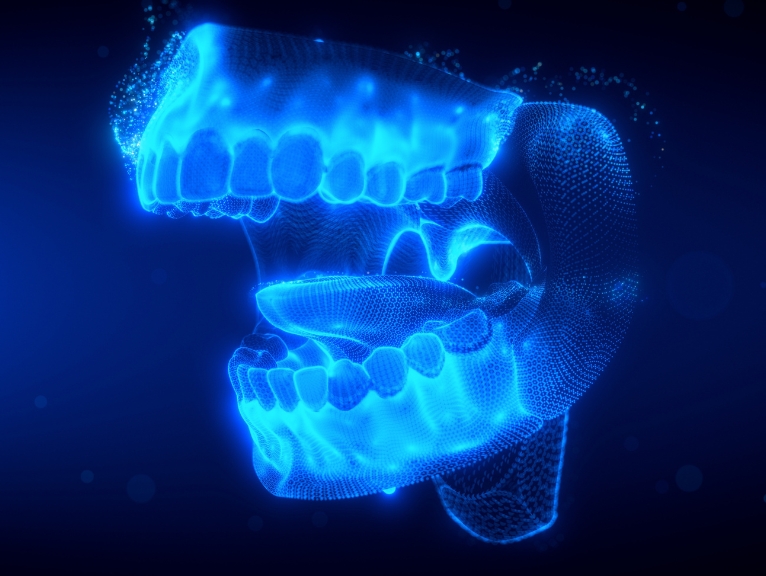
Digital dentistry for dental practices is usually framed as a simple productivity upgrade. In reality, though, it marks a much deeper change in how clinical information is accessed, shared, and acted on. Intraoral scanners, CBCT imaging, and CAD/CAM systems have gone a long way in replacing analogue impressions and fragmented workflows with a more unified data-driven way of working.
The studies back up the impact of digital dentistry systems.
Widespread research has shown that digital impressions can improve marginal fit and reduce remake rates when compared to conventional impressions. This is particularly notable in crown and bridge work. A study found consistently higher levels of accuracy and patient comfort when intraoral scanning is used, especially for short-span restorations. From a practical perspective, this reduces chair time, minimises retakes, and improves predictability for dentists and patients.
Operationally, digital dentistry systems centralise information.
Treatment plans, scans, and images can be shared instantly with labs, specialists, or referral partners. This means fewer delays caused by physical transport or incomplete data. If your practice is managing increasing care complexity, this kind of integration is becoming essential rather than optional.
AI in dentistry & Clinical Support
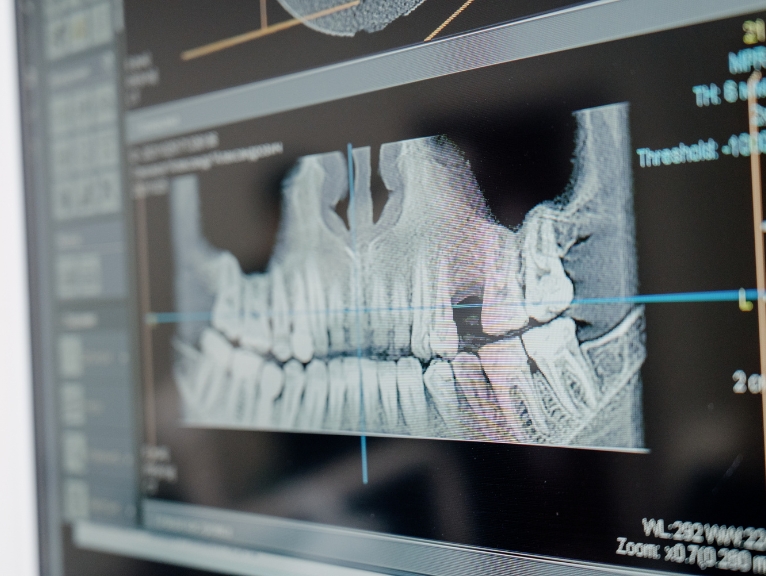
In recent years, the integration of AI in dentistry has become one of the biggest developments, particularly in diagnostics and planning. AI-driven software can now help with radiographic interpretation, caries detection, bone level analysis, and even orthodontic assessment. Studies are consistently showing that AI systems can match, and in some cases exceed, human performance in identifying early carious lesions on bitewing radiographs, for example.
AI in dentistry cannot replace clinical judgement.
Its role is as a second reader, reducing the risk of oversight and improving consistency across clinicians. This has clear implications for patient communication and consent. If your findings are clearly visualised and supported by AI-driven annotations, patients are more likely to understand diagnoses and accept the recommended treatment.
Looking to Strengthen Your Practice with Digital Dentistry Systems?
If you are assessing the prospect of digital dentistry for your dental practice, our team at Curran Dental can help you understand what is practical, scalable, and appropriate for your clinical goals. Get in touch today to find out more.
Digital Dentistry for Dental Practice Workflows
Digital workflows can only deliver value when they’re properly integrated into the physical and organisational design of a practice. If your adoption isn’t planned well, then moving to a fully digitalised system can actually increase friction rather than reduce it.
This is where practice design and technology strategy become inseparable. Digital dentistry isn’t just about equipment, though this plays a crucial role. It is about creating environments that allow clinicians and other staff to work efficiently without compromising infection control or patient experience.
Lab Collaboration & Turnaround Time
One of the most immediate benefits of digital dentistry systems is improved collaboration with dental laboratories. Digital case submission makes ambiguity much less common and supports iterative design without restarting the process. Studies show us that digital workflows can reduce crown turnaround time by days compared with traditional methods. This means fewer provisional restorations and follow-up appointments, both of which are key contributors to patient dissatisfaction.
Dental Patient Experience & Trust
Patients increasingly expect dentistry to reflect the standards they see in other healthcare and consumer services. Digital records, visual explanations, and efficient appointment flows all contribute to a sense of professionalism and, by extension, trust. Research in patient-centred care consistently shows that understanding and transparency are key aspects of patient satisfaction and adherence.
Digital dentistry systems support this by making treatment much more visible.
Intraoral scans, AI-enhanced radiographs, and digital mock-ups allow patients to see what clinicians see. This shared understanding strengthens the all-important clinician-patient relationship and reduces uncertainty around complex or high-value treatments.

Digital Dentistry Systems Build Long-Term Success
Futureproofing your dental practice doesn’t necessarily mean adopting every new technology. But creating adaptable systems and spaces that can evolve is undoubtedly a core part of it. AI capabilities are only going to expand; the same is true of digital workflows.
Both are expected to become more interconnected across all industries, and dental practices that have invested in flexible design, robust infrastructure, and integrated systems will be in a stronger position to adapt without disruption.
Looking for Digital Dentistry Systems to Futureproof Your Practice?
At Curran Dental, we have over 20 years of experience delivering dental practice design, build, and equipment solutions that align clinical needs with modern digital workflows. Our multidisciplinary team brings together design, construction, and digital dentistry systems to create and support practices in a practical and future-ready way.
You can find out more about digital dentistry for dental practices here, or feel free to contact us to discuss your specific requirements. Our team is always happy to offer guidance.
FAQs
What is digital dentistry for dental practices?
Digital dentistry refers to using digital tools such as intraoral scanners, CAD/CAM systems, and digital imaging to support diagnosis, treatment planning, and restorative workflows.
How is AI used in dentistry today?
AI in dentistry is commonly used to support radiographic analysis, caries detection, bone level assessment, and treatment planning, acting as a decision-support tool rather than replacing clinicians.
Do digital dentistry systems improve efficiency?
Yes. Studies show reduced chair time, fewer remakes, and faster lab turnaround when digital workflows are properly implemented.
Is digital dentistry suitable for all practices?
Most practices can benefit, but success depends on workflow design, space planning, and team training rather than equipment alone.
Why does practice design matter for digital dentistry?
Digital workflows require appropriate layouts, infrastructure, and ergonomics to function efficiently and safely, making design a critical factor in long-term success.

Further Reading
- Futureproofing Your Fit-Out Before the GDC 2026 Tells You To
- How Hydrophilic Technology is Used in Dentistry
- How Practice Design Can Attract New Patients
- Virtual Reality in Dental Training