

25th June 2025
Collaborative Design and Its Role in Dental Practices
For anyone building or refurbishing a dental practice, design decisions shouldn’t be made in isolation. We’ve been in this business long enough to know that the best designs reflect the people behind them, and this is where collaborative design plays a crucial role.
A collaborative approach makes it much easier to align the physical space with the goals and operational needs of your dental practice. It allows architects, builders, suppliers, and the practice team to work as one, which puts together a space that’s functional and enhances the entire patient and staff experience.
Dental Design is More than Aesthetic
The physical layout and feel of a dental design can impact everything from daily efficiency to team morale and patient retention. If you work with a design team to think about clinical workflows, infection control, privacy, comfort, and accessibility, you’ll reduce stress, save time, and even support better care outcomes.
But effective design doesn’t happen in a vacuum.
We need you as much as you need us, and getting the design right relies on input from the people who will use the space every day. Their insights on what works (and what doesn’t) are essential to getting the layout, flow, and equipment placement perfect.
Your Dental Practice Needs to Reflect Your Brand Identity
Whether a practice focuses on family care, cosmetic treatments, or high-end restorative work, the look and feel of the space should reflect that. Collaborative design brings your practice team closer to design specialists and helps capture this identity.
This can look different depending on your specialisms. For example, by letting your clinic incorporate playful elements, you can make it more appealing to families with young children, whereas a boutique cosmetic practice might lean towards minimalist, luxury finishes. When we get to work with the practice team in these conversations, your final dental design becomes a tool that supports your values and builds patient trust.

Planning Around Workflow and Efficiency
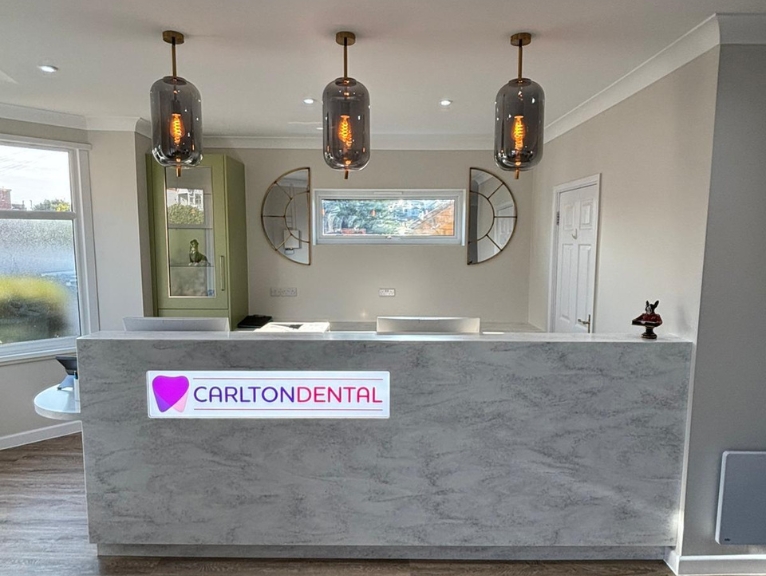
Clinical efficiency doesn’t need to compromise on the comfort and well-being of your staff, or on the aesthetic of your dental practice. But, to balance these different elements properly, rooms need to be designed in a way that flows with your team. Things like proximity between surgeries and decontamination rooms, discreet storage of materials are worth considering. Even something as minor as positioning reception desks to maximise visibility without interrupting privacy can have an impact.
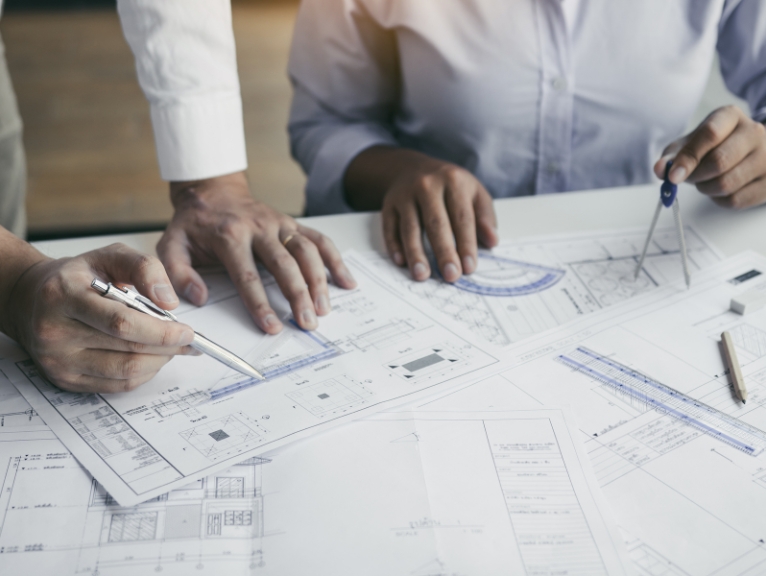
Your input on these choices makes a huge difference.
If a dentist raises issues with the existing surgery layout that slows them down, or the practice manager has flagged bottlenecks, then we can help to fix those pain points. That said, these aren’t things an external designer can always guess; they’re picked up when the process is collaborative.
Integrating the Right Dental Equipment
Modern dental equipment brings huge benefits, but it also comes with physical demands. Think about chair and cabinet positioning, or power, plumbing, and ventilation; every item has a knock-on effect on design.
Working collaboratively helps futureproof your dental practice by ensuring the layout can accommodate current and future kit. When the design team works alongside suppliers and clinicians, it’s possible to plan for the real-life footprint of scanners, digital X-ray units, and treatment centres.
This is especially important when you’re thinking about upgrades or new services. Let’s say you’re adding implant surgery or CBCT imaging. You’ll probably need a rethink of space, workflow, and compliance. Collaborative planning is one of the best ways to make sure nothing gets missed.
Proactive Maintenance Starts with Collaborative Design
Design choices also affect how easy it is to maintain the space and dental equipment. Having access to servicing points, ventilation for machinery, and easy-clean surfaces can all reduce downtime and cost. We bring our engineers and maintenance professionals into the early design conversation, so these practicalities can be built in from the start. It’s another benefit of collaboration, making sure that support doesn’t become an afterthought.
Tailored Dental Practice Design, Build and Support
At Curran Dental, we’ve been helping create high-performance dental practices for over two decades. We centre our processes around purpose-led design, bespoke interiors, and seamless integration of dental equipment that we also supply.
We can work together with you on a collaborative design if you’re building from scratch or just rethinking your existing space. We offer a full service across design, build, equipping, and proactive maintenance, always shaped around your business goals. Find out more about how we can upgrade your dental practice or get in touch with any questions.
FAQs
How long does it take to design a dental practice?
Timelines vary based on the size and scope of the project. A simple refit may take a few weeks to plan, while a full new build could require several months of design and approvals. If in doubt, get in touch with us and we can provide guidance.
What should I consider when planning a refurbishment?
Think about your current workflow, long-term goals, and any plans to upgrade dental equipment. It’s also worth involving your whole team early in the process.
Can I incorporate sustainability into my dental design?
Yes. Many practices are choosing eco-friendly materials, efficient lighting, and equipment that reduces energy use. Talk to your design provider about sustainable options.
Do I need planning permission to redesign my practice?
It depends on the type of work. Internal changes usually don’t require planning permission, but structural changes or signage may need approval. You can find out more here.
What’s the best way to involve my team in the design process?
Hold planning meetings where team members can share ideas, concerns, and suggestions. Their feedback can be incredibly valuable for practical improvements.
Is collaborative design a smart business decision?
Design is always going to be a significant investment for any dental practice. Getting it wrong can mean disruption, inefficiency, and unnecessary expense. Getting it right through a collaborative approach helps ensure the space enhances performance and gives a lift to your brand identity.

Further Reading
- How Practice Design Can Attract New Dental Patients
- How Natural Elements Can Complement Your Dental Practice Design
- How Can You Improve Dental Patient Retention?
- How Dental Practice Design Can Enhance Patient Experience